
The Early Printing Press: From Gutenberg to the Reformation (1455–1539)
- Mar 5
- 4 min read
World Book Day rightly emphasises reading for pleasure and access to books. Those aims matter. They remind us that reading remains a cultural good worth sustaining. Alongside that emphasis, it is worth stepping back to consider how the printed book came to exist in a form durable enough to endure across centuries. The history of print is not only intellectual but also technical, commercial and material.
This article focuses on the development of the European movable metal type press in the mid fifteenth century and its institutional consequences.
To understand why printed books proved so resilient, we can return to the mid fifteenth century and trace how production, capital and authority became closely connected.
Gutenberg and the Mechanics of Reproduction
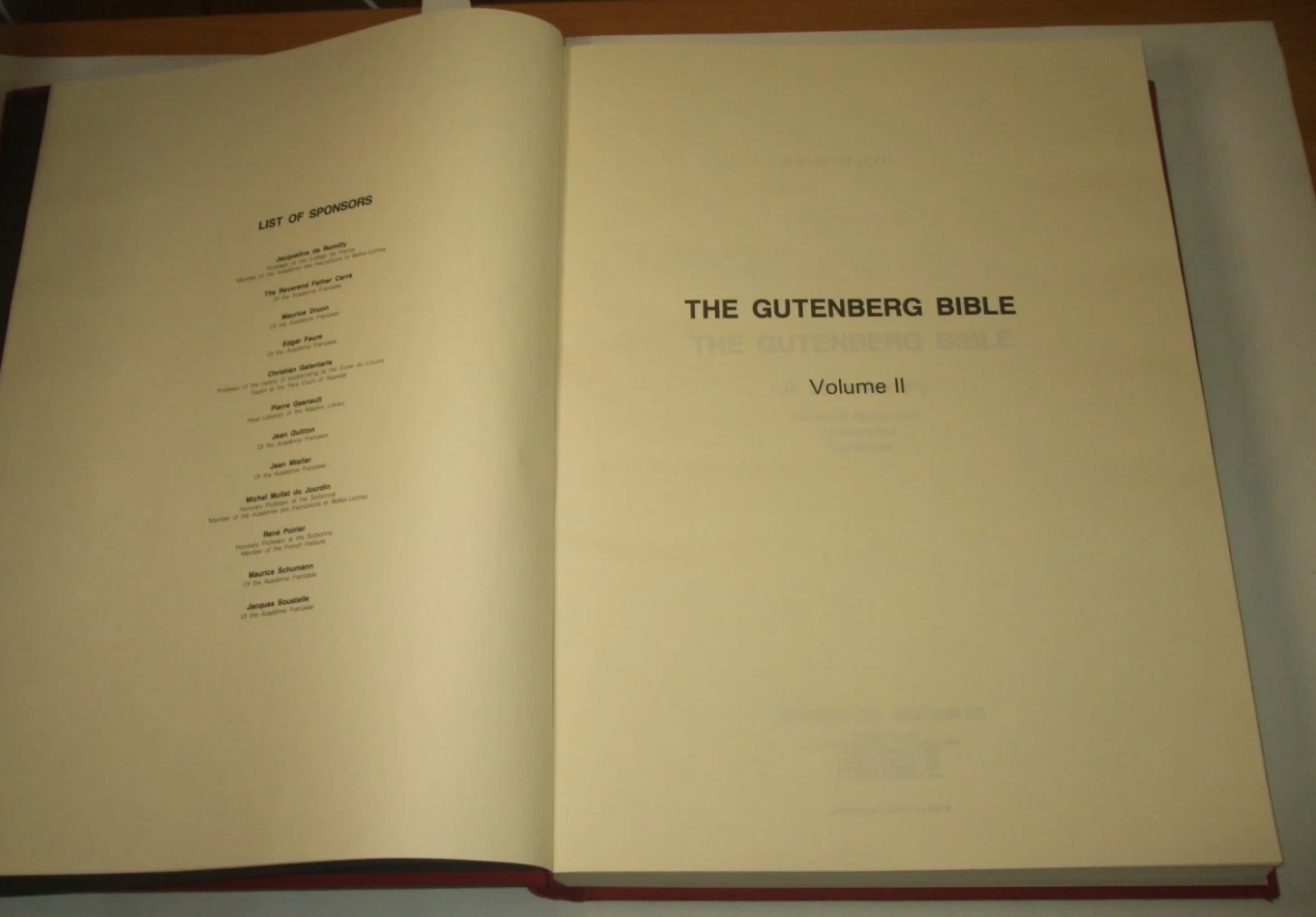
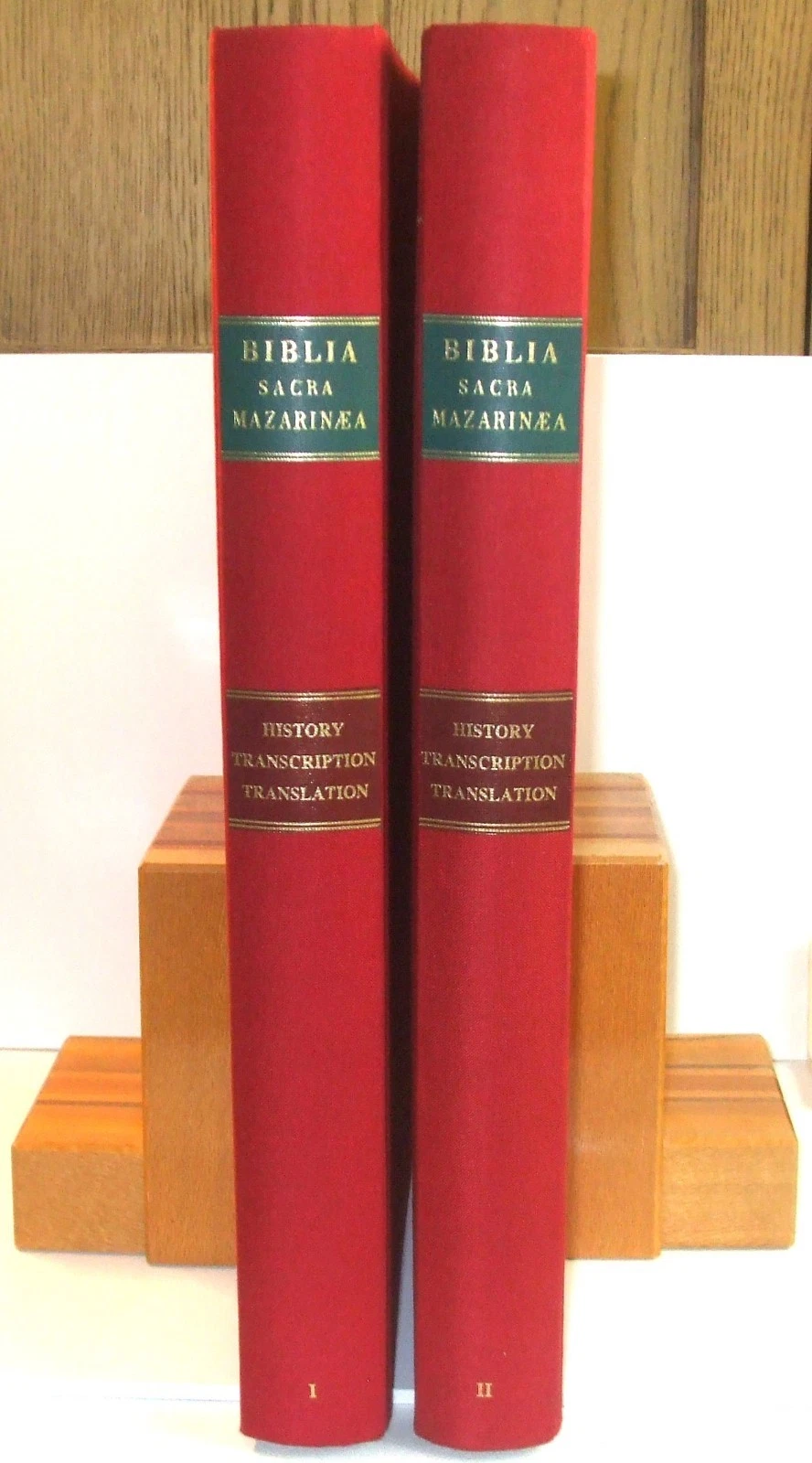
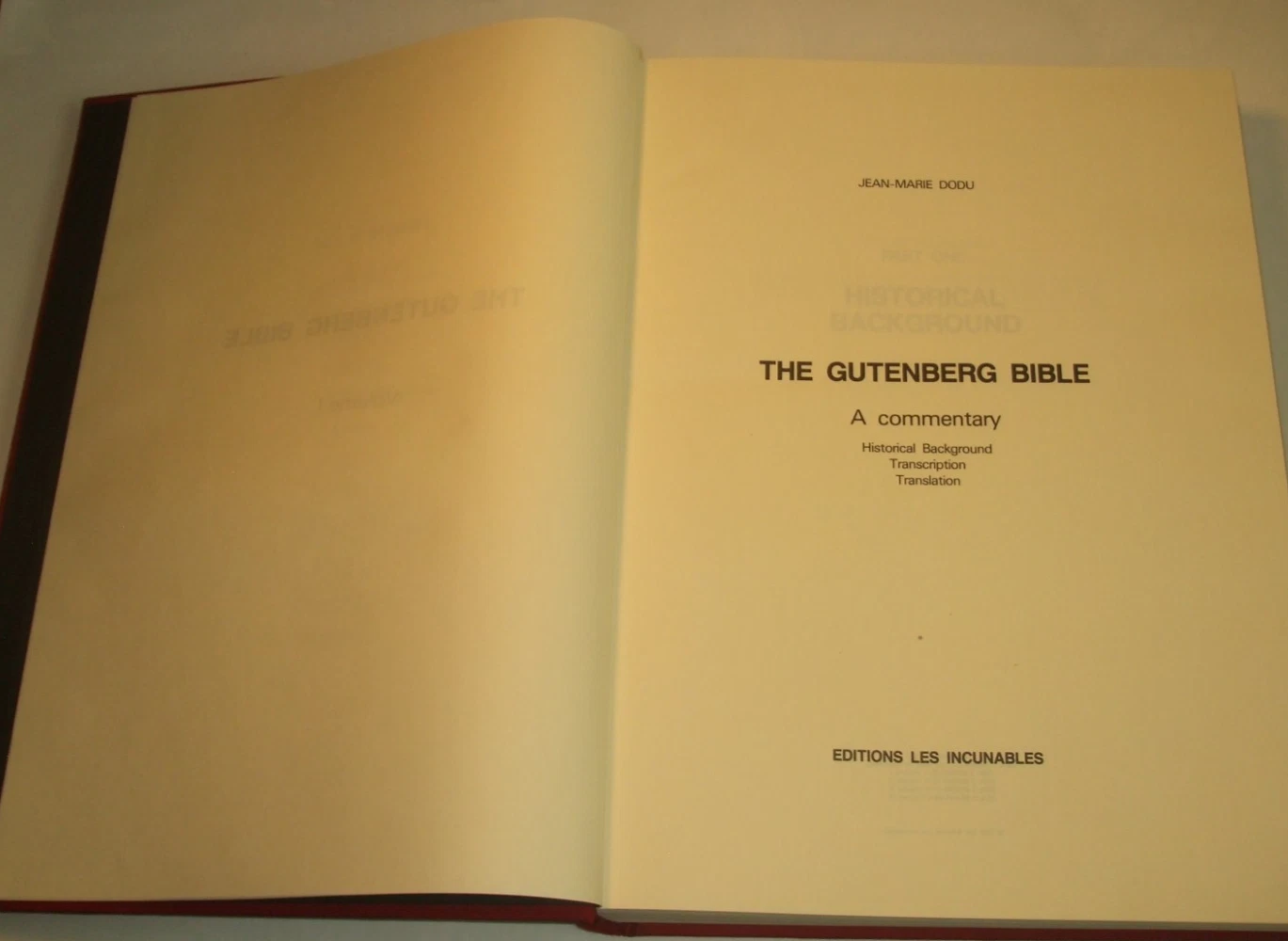
In Mainz around 1455–1456, Johannes Gutenberg completed what is now known as the 42-line Bible, or Biblia Sacra Mazarinea. It was the first substantial book printed in Europe using reusable movable metal type. Blockbooks already combined carved image and text for devotional use, however what distinguished Gutenberg's method was the casting of individual letters in metal that could be arranged, dismantled and reused. Once a forme had been printed, the type could be redistributed and set again.
The page of the 42-line Bible retained the density and proportion of manuscript Bibles. Its visual authority was familiar but its method of manufacture was not. The method allowed consistent reproduction across multiple copies.
Printing, at this stage, was a workshop practice. It depended on paper manufacture, type casting, presswork and capital investment. The innovation resolved problems of manufacture and coordination before it altered the conditions of intellectual exchange.
From Workshop to Enterprise: The Nuremberg Chronicle


By 1493, printing had moved beyond experiment and into organised commerce.
The Nuremberg Chronicle, written by Hartmann Schedel and printed by Anton Koberger, was one of the most ambitious books of the fifteenth century. Containing 645 woodcuts and a sweeping account of world history, it required significant financial backing and coordination.
Its publication was financed by the merchants Sebald Schreyer and Sebastian Kammermeister. Koberger operated what was then the largest printing house in Europe, with commercial links extending well beyond Nuremberg. Separate Latin and German editions were produced to serve different markets.
Within a generation of Gutenberg’s Bible, printing had become embedded in European trade. The book was no longer only a devotional object or scholarly tool, it was a commercial product shaped by demand, cost, format and distribution.
Erasmus, Luther, Tyndale and the Printing Infrastructure of Reform

In 1516, Desiderius Erasmus published the Novum Instrumentum omne, presenting a revised Latin New Testament alongside a newly edited Greek text. Erasmus did not intend to fracture the Church but rather he sought reform within it. Yet his edition provided the textual foundation for many of the vernacular translations that followed. By placing the Greek text into print and revising the Latin, he made textual comparison more widely possible.

In 1517, Martin Luther’s Ninety-Five Theses were circulated in print within weeks of their initial appearance. Pamphlet editions and reprints moved rapidly across German territories. The speed of their reproduction depended on presses already established in urban centres. Luther’s German New Testament of 1522 further demonstrated how vernacular scripture could be distributed in substantial numbers through print.
When Tyndale’s New Testament appeared in 1526, it was not simply a translation, it was a mechanically produced English Bible, printed using movable type less than seventy years after Gutenberg’s press had first demonstrated its viability. The significance of William Tyndale’s English New Testament cannot be separated from the printing infrastructure that made it possible. Earlier vernacular translations had circulated in manuscript form, but manuscript copying limited speed, scale and consistency.
Movable type allowed Tyndale’s text to be reproduced in multiple copies with relative uniformity. Printing centres in the Low Countries and German states made production feasible outside the reach of English ecclesiastical authorities meaning that copies could then be transported and smuggled into England.
Tyndale was executed in 1536 but within a year his translation formed the basis of the Matthew Bible, the first English Bible issued with royal approval. By 1539, Henry VIII authorised the Great Bible for use in English churches, a text heavily dependent on Tyndale’s work.
In this sense, Tyndale’s legacy rests on both linguistic precision and printing technology.
The translation was his. The infrastructure that amplified it was Gutenberg’s.



Production, Circulation and Endurance
Between Gutenberg’s workshop in Mainz and the authorised English Bible of 1539, printing became integrated into commerce, scholarship and governance.
The transformation depended on material realities: metal casting, paper supply, labour organisation, merchant capital and trade networks. It also depended on scholars revising inherited texts, translators working under threat, printers navigating regulation and rulers redefining religious authority.
The early printed book was shaped by workshop discipline and market logic. It proved durable not only because of its ideas, but because of its construction.
World Book Day highlights the importance of reading in the present. The history of early print adds another dimension to that recognition. It reminds us that the printed book became widespread because it solved practical problems of production and distribution, and because its material form proved resilient enough to endure.
The next article in this blog mini series will examine the coexistence of manuscript and print in the decades after Gutenberg.
For readers interested in examining the structure and significance of the 42-line Bible in detail, the following scholarly edition is currently available from my store:
Featured Listing:
Biblia Sacra Mazarinea:
The Gutenberg Bible: A Commentary, Transcription & Translation (2-Volume Set, Éditions Les Incunables, 1985)
Biblia Sacra Mazarinea — The Gutenberg Bible: A Commentary, Transcription & Translation (2-Volume Set, Éditions Les Incunables, 1985, approx. 41 cm tall)
This large-format scholarly set presents a detailed historical commentary, full transcription of the Latin text, and modern translation of the first major Western book printed with movable type.


Comments